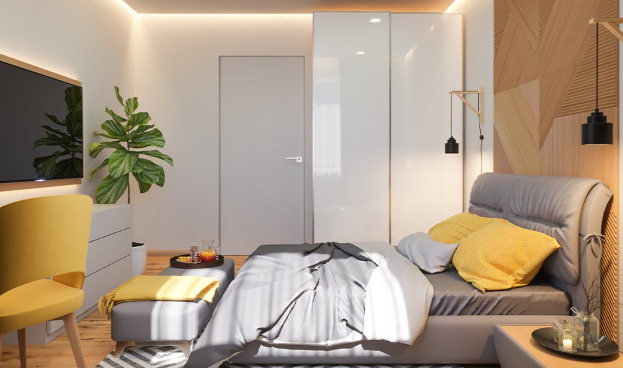
A calm bedroom begins with a warm base and layered ambient light. Soft task cues support shaping routines without harsh contrast. Subtle accents reveal texture and architecture, kept indirect to avoid glare. Controls should be simple, with zones and dimming to adapt to different moods. The layout matters as much as the fixtures themselves. The space invites further consideration—a balance that changes with the day and the person, inviting next steps.
Create a Warm Base: Layer Ambient Lighting
Creating a warm base begins with layering ambient light to shape the room’s overall mood. The approach balances fixtures to deliver a cohesive atmospheric backdrop, free from harsh contrasts. Cozy layering establishes depth, while a warm glow permeates softly, supporting other tasks. Precision in placement ensures even distribution, reducing glare and promoting comfort without overpowering architecture or personality.
Soft Task Lighting for Reading and Getting Ready
Soft task lighting complements a warm base by providing focused illumination where reading and grooming occur, while preserving the room’s overall atmosphere. This approach creates clear visibility without harsh contrasts, supporting reading harmony and precise grooming routines.
Effective implementation favors adjustable fixtures, discreet placement, and glare free ambiance, aligning with warm base layering and personal freedom to choose comfort, functionality, and style.
Accent Lighting to Set Mood Without Glare
Accent lighting can shape the room’s mood while avoiding glare that disrupts comfort. In this approach, layers of indirect sources create a soft glow that highlights textures without harsh reflections. Focused accents emphasize architecture and art, while glare reduction preserves evening ease. The result is a balanced atmosphere: intimate, peaceful, and adaptable for reading, conversation, or quiet contemplation.
Practical Controls and Layout for Cozy, Flexible Evenings
Smart, flexible control is the backbone of a bedroom suited to both winding down and easy hosting. The layout prioritizes intuitive zoning, with centralized dimming controls and wall-mounted presets for cozy dimming. Flexible zones enable rapid adjustments without clutter, supporting solitary relaxation or shared evenings. Precision wiring, labeled scenes, and durable interfaces ensure reliable, distraction-free ambiance.
Frequently Asked Questions
How Bright Should Bedroom Lighting Be for Side Sleeping?
The recommended side sleeping brightness is low to moderate. Bedroom light levels should foster calm, with dim ambient lighting and a selective task light for reading. Side sleeping brightness is best kept subtle to support rest and autonomy.
What Color Temperature Promotes Relaxation in Bedrooms?
A quiet harbor of soft white warmth invites calm, as a warm ambiance guides the night; muted contrast and gentle hues serve as a sleep cue. It favors relaxing color temperatures for restful, freedom-seeking bedrooms.
Can Smart Bulbs Save Energy Without Compromising Comfort?
Smart bulbs can deliver energy savings without sacrificing comfort, the report notes. By adjusting color temperature for relaxation, these devices maintain a calm ambiance while minimizing power use, appealing to individuals who value freedom and efficient, mindful living.
How Many Light Sources Are Ideal for a Balanced Room Feel?
An ideal balance uses three to five light sources, delivering layered illumination for a balanced ambience. Some may fear clutter, yet strategic placement creates depth and flexibility, supporting a free-spirited room without sacrificing clarity or comfort.
See also: How Technology Is Changing Logistics
Do Dimmers Affect Wakefulness in the Morning?
Dimmers do influence wakefulness morning; adjustable lighting modulates circadian signals and perceived alertness. Dimmers morning allow gradual light increase, supporting wakefulness lighting while preserving comfort and freedom to customize ambience without abrupt transitions or glare.
Conclusion
In the quiet lattice of a well-lit room, balance marks the scene: ambient glow like a whispered memory, task light that steadies the day, accents that hint at hidden textures. The unseen brain—smart zoning and dimming—conducts the mood, ensuring comfort remains the constant refrain. As with a well-kept lantern, warmth lingers where intention rests. The bedroom, unhurried, becomes a stage where serenity gathers, and evening quietly remembers its own soft power.
