Understanding Full-Arch Implant Treatment
Replacing an entire arch of missing or severely damaged teeth requires more than simply filling individual gaps. Patients searching for 4 in 1 dental implants near me may be exploring an implant-supported approach that uses four strategically positioned dental implants to support a full-arch restoration.
This treatment concept, commonly known as All-on-4, is designed to provide a stable foundation for replacement teeth while potentially reducing the number of implants required compared with placing one implant for every missing tooth. The approach may be considered for patients with extensive tooth loss, severely damaged teeth, or limited conventional tooth support.
Dental implant treatment requires careful planning because every patient’s oral anatomy, bone condition, gum health, bite, and restorative needs are different. A comprehensive evaluation by a qualified dental professional is essential before determining whether this treatment is appropriate.
What Are All-on-4 Dental Implants?
All-on-4 dental implants are a full-arch restoration approach that uses four dental implants to support a complete set of replacement teeth on either the upper or lower arch.
How the Four Implants Work
The implants are strategically placed within the jawbone to create a foundation for the full-arch restoration. The exact positioning and angulation are determined according to the patient’s anatomy and treatment plan.
Implants are designed to function as artificial tooth roots. After placement, they can integrate with the surrounding bone through a process called osseointegration. This integration provides the stability needed to support the final restoration.
The number and positioning of implants should always be determined by a dental professional after appropriate diagnostic evaluation.
The Full-Arch Restoration
The replacement teeth are connected as a full-arch prosthesis rather than being treated as separate individual crowns. The restoration is customized to fit the patient’s mouth and is designed with function and aesthetics in mind.
Factors such as tooth shape, size, shade, bite, facial proportions, and gum contours may be considered during the restoration design process.
Who May Be a Candidate?
All-on-4 treatment is not automatically suitable for everyone with missing teeth. Candidacy depends on several clinical and personal factors.
Extensive Tooth Loss
Patients who have lost most or all teeth in an arch may consider an implant-supported full-arch restoration. It can provide an alternative to conventional removable dentures when clinically appropriate.
Patients with severely damaged or non-restorable teeth may also require comprehensive evaluation to determine whether preserving individual teeth or replacing an arch would be the more appropriate approach.
Jawbone Condition
Dental implants require sufficient bone support. Bone loss can occur following tooth loss and may influence implant placement.
Diagnostic imaging allows the dental team to examine the available bone and surrounding anatomy. If additional procedures are necessary to improve the treatment foundation, the dentist can explain those options as part of the overall plan.
Gum and Oral Health
Healthy gums are important for implant treatment. Existing gum disease, infection, or other oral conditions may need to be treated before implant surgery.
Maintaining good oral hygiene after treatment is equally important because the tissues around dental implants require consistent care.
How the Treatment Process Works
The All-on-4 process typically includes several stages. The exact timeline depends on the patient’s oral health, anatomy, healing response, and treatment requirements.
Consultation and Diagnostic Planning
Treatment begins with a comprehensive examination of the mouth. The dentist evaluates the gums, remaining teeth, jawbone, bite, and overall oral condition.
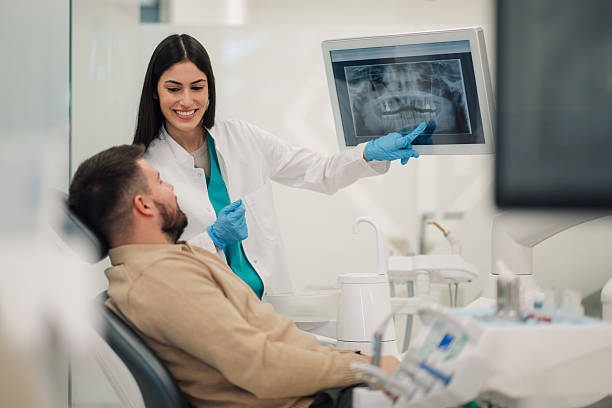
Digital imaging and other diagnostic tools may be used to examine bone structure and determine appropriate implant positions. The information gathered during this stage helps the dental team develop a customized treatment plan.
A detailed consultation also gives patients an opportunity to discuss treatment expectations, restoration options, recovery, maintenance, and costs.
Implant Placement
The four planned implants are surgically placed into the jawbone. Appropriate anesthesia or sedation may be provided depending on the procedure and patient’s needs.
After placement, the implants require a healing period. During this stage, osseointegration allows the implants to become integrated with the surrounding bone.
Restoration Placement
Once the implants have achieved the appropriate stability, the final full-arch restoration can be fitted.
The dental team evaluates the restoration for fit, bite, appearance, and function. Adjustments may be made to ensure the prosthesis works appropriately within the patient’s oral structures.
Benefits of Full-Arch Implant Treatment
When appropriate for a patient, All-on-4 treatment can offer several potential advantages.
A Stable Foundation
Because the restoration is supported by implants anchored within the jawbone, it can provide a stable foundation compared with traditional removable dentures.
The actual level of stability depends on factors such as bone quality, implant integration, restoration design, and individual oral conditions.
Restored Chewing Function
Missing teeth can interfere with normal biting and chewing. A properly designed full-arch restoration is intended to restore useful oral function.
The restoration is planned according to the patient’s bite and oral anatomy to provide appropriate contact between the upper and lower arches.
Natural-Looking Results
Modern dental restorations can be customized to create a natural-looking smile. Tooth shape, shade, size, positioning, and overall proportions can be adjusted during the restoration process.
The final aesthetic result depends on individual anatomy, implant positioning, restoration materials, and professional treatment planning.
A Fixed Alternative to Removable Dentures
Traditional dentures are designed to be removed by the patient. Implant-supported full-arch restorations are anchored to dental implants.
For appropriately selected patients, this fixed approach can provide a different experience in terms of stability and everyday function.
Understanding the All 4 One Dental Implants Cost
Patients researching all 4 one dental implants cost should understand that treatment costs can vary substantially.
There is no universal price because each treatment plan depends on individual clinical requirements and the components included in the restoration.
Factors That Influence Cost
The overall cost may depend on:
- Number of arches being treated
- Implant system and components
- Diagnostic imaging
- Surgical placement
- Temporary restorations
- Final prosthetic restoration
- Restoration materials
- Laboratory and customization fees
- Bone grafting or other preparatory procedures
- Sedation requirements
- Follow-up and maintenance
Patients should request a comprehensive treatment estimate that explains which procedures and components are included.
Why Comparing Complete Treatment Plans Matters
A starting price does not always represent the total treatment investment. Additional procedures, restoration materials, diagnostics, and follow-up care can influence the final cost.
Comparing complete treatment plans allows patients to evaluate what they are actually receiving rather than focusing only on the initial advertised price.
All-on-4 Compared With Traditional Dentures
Traditional dentures and implant-supported restorations offer different approaches to replacing missing teeth.
Removable Dentures
Conventional dentures are removable and generally rest on the gums. They can replace multiple or all missing teeth without requiring implant surgery.
However, dentures may move during certain activities and can require adjustments as oral structures change over time.
Implant-Supported Restorations
All-on-4 restorations are supported by implants placed into the jawbone. They are designed as a fixed full-arch solution for appropriately selected patients.
Implant treatment requires surgery, healing, professional maintenance, and appropriate bone and oral health evaluation. The choice between dentures and implants should be based on clinical factors, personal preferences, treatment goals, and professional recommendations.
Maintaining All-on-4 Dental Implants
Long term care remains important after implant treatment is completed. Although replacement teeth are artificial, the surrounding gums and tissues still require proper maintenance.
Follow a Consistent Cleaning Routine
Patients should brush regularly and clean around the prosthesis according to their dental professional’s recommendations.
Depending on the restoration design, specialized brushes, interdental cleaners, or water flossers may be recommended to help clean areas around and beneath the restoration.
Schedule Regular Dental Examinations
Routine appointments allow the dental team to evaluate implant stability, gum health, restoration condition, and oral hygiene.
Professional maintenance also provides an opportunity to identify developing concerns and address them before they become more complicated.
Follow Professional Instructions
Postoperative and long term instructions should be followed carefully. Patients should contact their dental provider if they experience unexpected discomfort, movement, damage to the restoration, or changes in their bite.
Why Personalized Treatment Planning Matters
Full-arch implant treatment involves surgical, restorative, functional, and aesthetic considerations. Careful planning helps coordinate each stage.
Digital Imaging and Evaluation
Diagnostic imaging can provide detailed information about the jawbone and surrounding anatomy. This information assists with implant positioning and restoration planning.
Digital technology supports treatment planning, but professional clinical judgment remains essential when determining the most appropriate approach.
Customized Prosthetic Design
The final restoration should be designed according to the patient’s oral anatomy and functional requirements.
Tooth proportions, color, bite, facial characteristics, gum contours, and speech considerations can all influence restoration design.
Questions to Ask Before Treatment
Patients considering full-arch implants should have a clear understanding of their proposed treatment plan before proceeding.
Important questions can include:
- How many implants will be required?
- Which arches will be treated?
- Is additional bone treatment necessary?
- What type of restoration will be provided?
- What is included in the total treatment cost?
- How long is the expected healing period?
- What maintenance will be required after treatment?
- What alternatives are available?
Clear communication with the dental team helps patients understand the treatment process and make informed decisions.
Conclusion
Full-arch implant treatment can provide a stable tooth replacement option for patients with extensive tooth loss or severely damaged teeth. The All-on-4 approach uses four strategically positioned dental implants to support a customized full-arch restoration when clinically appropriate.
Successful treatment depends on comprehensive evaluation, careful implant planning, suitable restoration design, and long term maintenance. Bone condition, gum health, oral anatomy, bite, overall health, and treatment goals should all be considered before proceeding.
Cost is another important factor, but the total investment varies according to the patient’s individual treatment plan and the procedures included. Patients should request a detailed estimate and discuss all treatment stages with a qualified dental professional.
With appropriate planning, professional care, and consistent maintenance, implant-supported full-arch restorations can provide an important option for restoring oral function and replacing extensive tooth loss.
Frequently Asked Questions
What are 4 in 1 dental implants?
The term commonly refers to an All-on-4 treatment approach in which four strategically positioned dental implants support a full-arch restoration. The suitability of this approach depends on the patient’s individual oral condition.
How long does All-on-4 treatment take?
The treatment timeline varies according to implant placement, healing, bone condition, restoration requirements, and any additional procedures. A personalized timeline can be provided after a comprehensive dental evaluation.
How much do All-on-4 dental implants cost?
The cost varies based on factors such as the number of arches treated, implant components, restoration materials, diagnostics, surgical procedures, and additional treatments. A complete consultation is necessary for an individualized estimate.
Are All-on-4 implants removable?
All-on-4 restorations are designed as fixed implant-supported teeth for appropriately selected patients. The specific restoration design should be discussed with the treating dental professional.
Why choose TruSmile for implant treatment?
TruSmile provides dental implant treatment information and options for patients exploring full-arch tooth replacement. A professional consultation can help determine which treatment approach is appropriate based on individual oral health, anatomy, and restorative needs.
