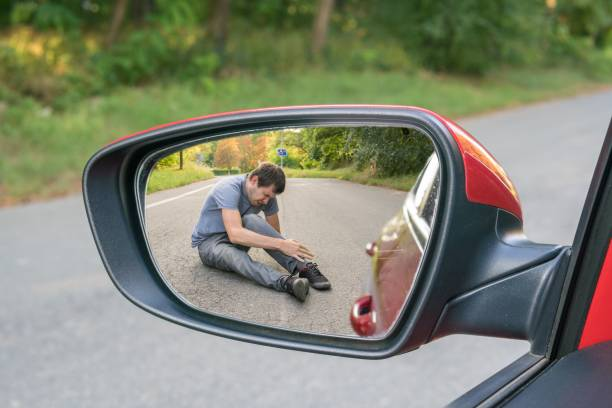
What Is a Hit-and-Run Accident?
A hit-and-run accident occurs when a driver involved in a collision leaves the scene without stopping and providing the information or assistance required under the circumstances. For an injured person, the situation can be especially stressful because the driver who may be responsible is no longer available to identify themselves, exchange insurance information, or explain what happened.
A hit-and-run does not automatically mean that an injured victim has no legal options. Depending on the circumstances, available insurance coverage, evidence, and the nature of the injuries, there may still be ways to pursue compensation. Understanding what to do immediately after the collision can help preserve important evidence and protect your potential claim.
The first priority should always be safety and medical attention. Once immediate medical concerns are addressed, documenting the accident and reporting the incident can become important parts of establishing what occurred.
What Should You Do Immediately After a Hit-and-Run?
Get to a Safe Location
If your vehicle can be moved safely, get out of the flow of traffic and turn on your hazard lights. Check yourself and anyone else involved for injuries. Some accident-related injuries may not become obvious immediately, particularly when adrenaline masks pain.
Call 911 when there are injuries, significant vehicle damage, or other circumstances requiring emergency assistance. A police report can provide an important record of the collision and may contain information that becomes useful later during an insurance or personal injury claim.
If possible, avoid disturbing physical evidence at the accident scene unless moving it is necessary for safety.
Record Details About the Other Vehicle
Try to remember as much as you can about the vehicle that left the scene. Important details may include the make, model, color, license plate number or partial plate number, direction of travel, visible damage, and distinguishing features.
You should also photograph your vehicle and the surrounding accident scene when it is safe to do so. Images of vehicle damage, roadway conditions, debris, traffic signs, intersections, and other relevant details may help establish how the collision occurred.
If someone witnessed the accident, ask for their contact information. Independent witnesses can be particularly valuable when the other driver has not been identified.
If you need help understanding your options after the collision, a hit and run attorney can review the circumstances and explain what evidence and insurance issues may need to be addressed.
How Can Evidence Help Identify a Hit-and-Run Driver?
A hit-and-run claim can depend heavily on evidence because the responsible driver may initially be unknown. A thorough investigation can help establish what happened and potentially provide information that assists in identifying the vehicle or driver.
Police Reports and Witness Statements
The police report can document the circumstances known to law enforcement, including statements from people at the scene, descriptions of the vehicle, and observations about the collision. Providing investigators with every detail you remember can be helpful, even when some information seems incomplete.
Witnesses may also provide independent accounts of the accident. Their observations can help establish the direction the vehicle traveled, the circumstances surrounding the impact, and other details that may not be apparent from photographs alone.
Video and Physical Evidence
Surveillance footage can sometimes provide valuable information in a hit-and-run investigation. Depending on where the collision occurred, cameras from nearby businesses, traffic systems, parking facilities, or other locations may have captured the accident or the vehicle leaving the area.
Vehicle damage can also help reconstruct the collision. Photographs, repair estimates, debris, paint transfer, and other physical evidence may provide information about the type of vehicle involved or how the impact occurred.
Because some forms of evidence may not remain available indefinitely, prompt investigation can be important.
What Insurance Coverage May Apply After a Hit-and-Run?
One of the most significant questions after a hit-and-run is how the victim’s losses may be covered when the responsible driver cannot be identified.
Uninsured motorist coverage can be particularly relevant in situations involving an unidentified or uninsured driver. Whether coverage applies and how much may be available depends on the applicable insurance policy and the specific facts of the accident.
Why Your Own Insurance Policy Matters
People sometimes assume that their own insurance cannot help because another driver caused the collision. However, the terms of an individual’s policy can become important when the at-fault driver cannot be identified or does not have sufficient insurance.
Reviewing the policy carefully is therefore important. Insurance companies may request information about the collision, medical treatment, injuries, and other losses before evaluating a claim.
You should provide accurate information, but avoid making statements that minimize your injuries or unintentionally suggest that you were responsible for the accident. When the circumstances are complicated, legal guidance can help you understand how to communicate with an insurer.
What Compensation Can Be Available After a Hit-and-Run?
The amount and type of compensation available will depend on the facts of the case, the available insurance coverage, the injuries involved, and the evidence supporting the losses. There is no standard settlement amount that applies to every hit-and-run claim.
Medical Expenses
A personal injury claim may potentially include reasonable medical expenses associated with injuries caused by the accident. Depending on the injury, treatment may involve emergency care, diagnostic testing, hospitalization, medication, rehabilitation, physical therapy, or ongoing medical treatment.
Maintaining medical records and documentation of treatment can help establish the relationship between the accident and the expenses being claimed.
Lost Income and Future Financial Losses
An injury can affect a person’s ability to work temporarily or permanently. Depending on the circumstances, compensation may potentially include lost wages and other financial losses associated with an inability to perform employment duties.
Documentation such as employment records, wage information, and medical evidence may be relevant when establishing these losses.
Pain and Other Non-Economic Damages
A serious injury can affect more than a person’s finances. Physical pain, emotional distress, limitations on daily activities, and reduced quality of life may also be relevant to a personal injury claim.
The value of these damages depends on the individual circumstances and supporting evidence. An attorney can evaluate how the injuries have affected the person’s life and determine what categories of damages may be legally available.
When Should You Hire a Hit-and-Run Lawyer?
When the Driver Cannot Be Located
If the responsible driver has not been identified, determining what legal and insurance options remain available can become more complicated. A lawyer can review the available evidence and insurance policies and help determine the appropriate strategy for pursuing a claim.
A hit and run lawyer may also investigate the accident, communicate with insurance companies, gather relevant documentation, and evaluate whether additional evidence could strengthen the case.
When You Have Significant Injuries
Legal representation may be especially valuable when an accident causes serious injuries, requires extensive medical treatment, prevents you from working, or creates the possibility of long-term consequences.
Serious injury claims require careful evaluation because the full financial impact may not be apparent immediately after the collision. Medical treatment, future care requirements, lost earning capacity, and other damages may all need to be considered before a claim is resolved.
When an Insurance Company Challenges the Claim
Insurance companies have a legitimate role in investigating claims, but disagreements can arise over liability, the extent of injuries, available coverage, or the amount of compensation requested.
Having legal representation can help ensure that relevant evidence is presented and that the claim is evaluated based on the available facts. Negotiation may resolve many injury claims, but a case can also require litigation when a fair resolution cannot be reached.
How Can You Protect Your Claim?
Preserving documentation should be a priority after a hit-and-run accident. Keep copies of the police report, medical records, medical bills, insurance correspondence, photographs, repair documentation, witness information, and other records connected with the collision.
You should also follow reasonable medical recommendations and keep appointments related to your injuries. Gaps in treatment can create questions about the seriousness or cause of an injury, depending on the circumstances.
Avoid posting detailed information about the accident, your injuries, or your activities on social media. Public statements or photographs can potentially be taken out of context during an insurance dispute or legal proceeding.
It is also important not to rush into a settlement before understanding the extent of your injuries and losses. Some injuries require continuing treatment, and settling too early can create difficulties if additional expenses or complications arise later.
Why Does Experience Matter in a Hit-and-Run Case?
Hit-and-run cases can require several issues to be considered at the same time. Identifying the responsible driver is only one part of the process. The case may also involve accident reconstruction, medical documentation, insurance coverage, liability, damages, and negotiations with insurers.
5280 Injury Law states that it provides detailed investigations, personalized representation, and legal guidance throughout personal injury cases. The firm’s attorneys also emphasize litigation experience and preparedness to take cases to trial when necessary.
That approach can be particularly important when evidence is limited or an insurance company disputes the claim. A careful review of the accident, injuries, available coverage, and supporting documentation can help determine the most appropriate path forward.
Conclusion
A hit-and-run accident can create difficult legal and practical questions, particularly when the responsible driver cannot immediately be identified. Reporting the collision, obtaining appropriate medical attention, documenting the accident, preserving evidence, and reviewing available insurance coverage can all play an important role in protecting a potential claim.
Every accident is different, and the legal options available to an injured person depend on the specific facts, injuries, evidence, and applicable insurance coverage. If you were injured in a Denver hit-and-run accident and want to discuss your circumstances with an experienced personal injury team, you can Contact Us for a case evaluation.
