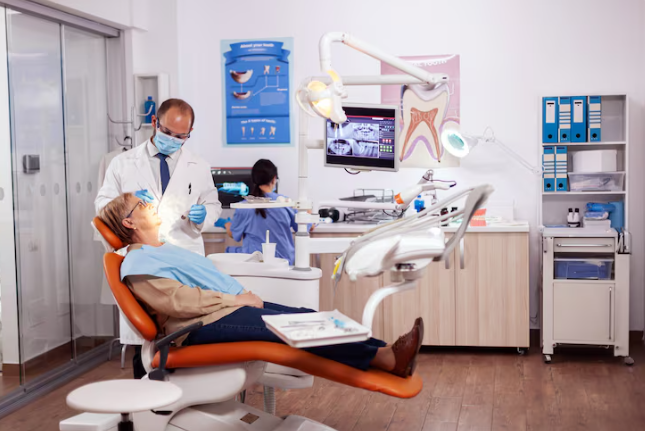
Finding the right dental office near Kent WA can make it easier to stay on top of routine checkups, preventive care, restorative treatment, and other dental needs. A good dental office should provide services that match your current needs while also supporting your long-term oral health. Location, available treatments, dentist qualifications, technology, communication, and appointment availability can all influence your decision. It is also useful to consider whether the practice can continue caring for your dental needs as they change over time. Taking these factors into account can help you choose a dental office that fits your expectations and treatment goals.
What Should You Look for in a Dental Office?
Choosing a dental office involves more than finding the closest practice to your home or workplace. You should consider the range of services offered and whether the dental team can address both routine and more complex concerns. A practice that provides several types of dental care may make it easier to receive treatment in one location as your needs develop. You should also look for clear communication about treatment recommendations, costs, appointment scheduling, and aftercare. These details can affect how comfortable and informed you feel throughout your dental care.
Some factors worth considering include:
- Location and accessibility
- Range of dental services
- Dentist qualifications and experience
- Preventive and restorative care options
- Dental technology and diagnostic equipment
- Emergency appointment availability
- Communication about treatment and costs
- Insurance and payment options
- Patient reviews and practice reputation
The right priorities may differ from one patient to another. Someone looking for routine preventive care may focus on convenient appointments and cleaning services, while another patient may need restorative or implant treatment. Reviewing the practice’s services before scheduling an appointment can help you determine whether it is equipped to address your specific concerns. You can also contact the office with questions about services, scheduling, and treatment options.
Why Location Matters for Dental Care
A conveniently located dental office can make regular dental appointments easier to maintain. Preventive care often involves periodic examinations and professional cleanings, so travelling long distances may make appointments less convenient. A nearby practice can also be useful when follow-up appointments are needed after restorative, surgical, or cosmetic procedures. Accessibility may be especially relevant for patients who require multiple visits during a longer treatment plan.
When evaluating location, consider more than distance alone. Parking, office accessibility, appointment availability, and travel time can all affect how practical a dental office is for your routine. A convenient location may also make it easier to address dental concerns before they become more complicated. Regular professional care combined with good home oral hygiene can support healthier teeth and gums over time.
Does the Dental Office Offer the Services You Need?
A dental office should ideally provide services that correspond with your current oral health needs. General dental care may include examinations, cleanings, preventive treatments, fillings, crowns, and other restorative procedures. Some practices also provide cosmetic dentistry, dental implants, oral surgery, and additional treatments. Having access to several services can reduce the need to coordinate care between multiple dental offices.
Ask about the services available before booking an appointment, particularly if you already know what type of treatment you may need. Common services to consider include:
- Routine dental examinations
- Professional teeth cleanings
- Fluoride treatments
- Dental fillings
- Dental crowns
- Dental implants
- Oral surgery
- Cosmetic dental treatments
- Restorative dentistry
- Emergency dental care
A broad range of services does not mean every patient requires every treatment. Your dentist should evaluate your oral health and recommend care based on your individual condition. Preventive treatment may be appropriate for maintaining healthy teeth, while restorative or surgical treatment may be recommended when a specific dental problem is identified.
How Preventive Dentistry Supports Long-Term Oral Health
Preventive dentistry focuses on identifying and managing dental concerns before they become more difficult to treat. Routine examinations allow a dentist to monitor teeth, gums, existing restorations, and other aspects of oral health. Professional cleanings remove plaque and tartar that regular brushing and flossing may not fully eliminate. Preventive appointments can also provide an opportunity to discuss changes in oral hygiene habits.
Fluoride is another preventive treatment that may be recommended for certain patients. Fluoride treatment for adults can help strengthen tooth enamel and may be considered based on individual cavity risk and oral health needs. Your dentist can determine whether a professional fluoride treatment is appropriate after evaluating your teeth and discussing your dental history.
Preventive care is not limited to one appointment or procedure. Daily brushing, flossing, a balanced diet, regular dental examinations, and professional cleanings all contribute to maintaining oral health. Your dental team can provide recommendations based on your specific needs rather than relying on a single routine for every patient.
What If You Need Restorative Dental Treatment?
Restorative dentistry focuses on repairing or replacing teeth affected by decay, damage, wear, or tooth loss. The treatment recommended depends on the condition of the affected tooth and the surrounding structures. Minor damage may require a filling, while a more extensively damaged tooth may need a crown. Missing teeth may require a bridge, denture, or dental implant depending on the patient’s oral health and treatment goals.
Crowns can restore the structure, function, and appearance of teeth that have been significantly weakened. Patients receiving implant treatment may also have temporary restorations during the healing and restoration process. A dental implant temporary crown can protect and restore the visible portion of an implant-supported tooth while the final restoration is being planned or completed.
Understanding the difference between temporary and permanent restorations can help patients follow their dentist’s instructions during treatment. Temporary restorations may have specific recommendations regarding eating, cleaning, and protecting the treated area. Your dental provider can explain what to expect during each stage and when the final restoration will be placed.
How Should You Evaluate Dentist Experience?
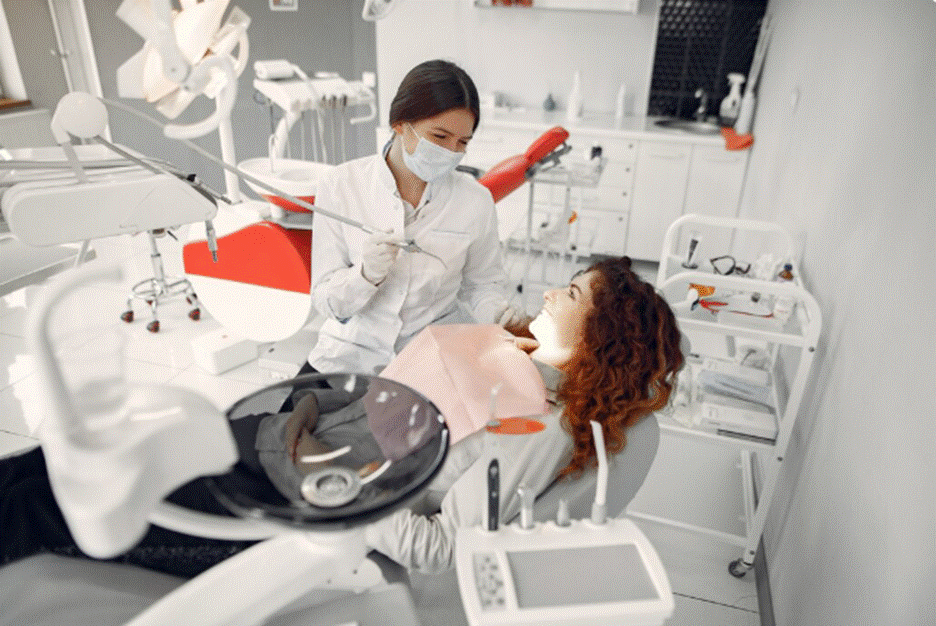
A dentist’s education, professional training, experience, and areas of practice are useful factors to consider when choosing a dental office. Different procedures require different levels of training and clinical experience, so patients should ask questions about the provider who will perform their recommended treatment. This is particularly relevant when considering procedures such as dental implants, oral surgery, or complex restorative care.
You can review the dental office website to learn about the providers, services, and treatment philosophy. You may also ask about the technology used for diagnosis and treatment planning. Clear explanations can help you understand why a particular procedure has been recommended and what alternatives may be available.
Experience should also be considered alongside communication. A qualified dental provider should be able to explain treatment in language that patients can understand. You should have an opportunity to ask questions about benefits, potential risks, expected appointments, aftercare, and costs before proceeding.
What Role Does Dental Technology Play?
Modern dental technology can assist with diagnosis, treatment planning, and certain procedures. Depending on the practice, technology may include digital imaging, intraoral scanning, digital records, and specialized equipment for restorative or surgical treatment. These tools can provide dentists with additional information when assessing teeth, gums, and supporting structures.
Technology should support clinical decision-making rather than replace professional evaluation. Your dentist will determine which diagnostic tools are appropriate based on your symptoms, dental history, and treatment needs. If a procedure requires detailed planning, the dental team can explain how imaging or other technology contributes to the process.
Patients should also ask how the practice handles their records and treatment information. Clear documentation can help the dental team monitor changes in oral health and maintain continuity of care. This can be especially useful when patients receive several types of treatment over time.
How Can You Compare Dental Offices in Kent?
Comparing dental offices can be easier when you use consistent criteria. Instead of focusing only on online ratings or proximity, consider the services, qualifications, communication, accessibility, and treatment options offered by each practice. Reviews may provide insight into general patient experiences, but they should be considered alongside other information. Your own consultation can provide a better understanding of how the practice approaches your specific dental needs.
Before selecting a dental office, consider whether:
- The practice offers the services you require
- The location is convenient for regular appointments
- Treatment recommendations are explained clearly
- Costs and payment options are discussed openly
- The dental team answers your questions
- Preventive care is available
- Restorative and replacement options are offered
- Follow-up care is clearly explained
You should also consider whether the office can support your future dental needs. Oral health can change over time, and treatment requirements may change with it. Establishing care with a dental office that offers a variety of services may make future treatment planning more straightforward.
When Should You Schedule a Dental Appointment?
You do not need to wait until you have severe dental pain before visiting a dentist. Regular appointments allow the dental team to monitor your oral health and identify concerns that may not cause noticeable symptoms at first. Signs such as persistent tooth sensitivity, bleeding gums, swelling, tooth pain, broken teeth, or changes in an existing restoration should be discussed with a dental professional.
A dental office can also help you understand which preventive treatments may be appropriate for your needs. Your appointment may include an examination, cleaning, imaging, or discussion of a specific concern. If treatment is recommended, ask about the purpose of the procedure, available alternatives, expected timeline, and associated costs.
Choosing a Dental Office Near Kent, WA
Choosing a dental office is a decision that can affect your ongoing oral healthcare experience. Look for a practice that combines convenient access with appropriate dental services, qualified providers, clear communication, and a treatment plan based on your individual needs. Preventive appointments can help maintain oral health, while restorative and implant services can address more complex dental concerns when they arise. Reviewing the practice’s services and asking questions before treatment can help you make a more informed decision.
For patients seeking dental care in Kent, Washington, the next step is to discuss their needs directly with the dental team. You can contact Implant Oral Surgery & Aesthetics to ask about available services, schedule an appointment, and discuss your dental concerns. A professional evaluation can help determine the most appropriate care based on your current oral health and treatment goals.
Frequently Asked Questions
1. How do I choose a dental office near Kent WA?
Look for a dental office that offers the services you need, has qualified dental professionals, provides convenient appointments, and communicates treatment recommendations clearly. Location, technology, patient reviews, payment options, and follow-up care can also help you compare practices.
2. What services should a dental office provide?
Services vary between practices, but many dental offices provide preventive, restorative, and cosmetic dentistry. Some also offer dental implants, oral surgery, crowns, fluoride treatments, and other specialized procedures.
3. How often should I visit a dental office?
The recommended frequency depends on your oral health, dental history, and individual risk factors. Your dentist can recommend an appropriate schedule for examinations and professional cleanings based on your specific needs.
4. Can adults receive professional fluoride treatment?
Yes. Professional fluoride treatment may be appropriate for adults who have an increased risk of tooth decay or other enamel-related concerns. A dentist can evaluate your oral health and determine whether fluoride treatment is suitable.
5. Should I choose a dental office based only on online reviews?
No. Reviews can provide useful information about general patient experiences, but they should not be the only factor in your decision. Consider the practice’s services, dentist qualifications, communication, accessibility, treatment options, and your experience during the consultation.
