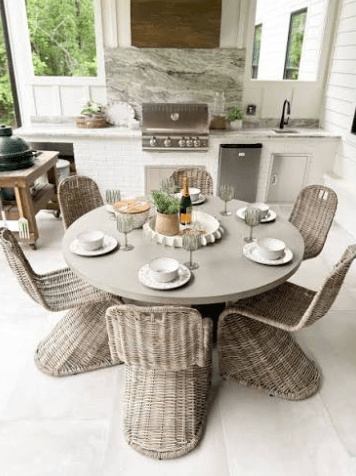
A home does not have to be large, expensive, or perfectly decorated to feel comfortable. Sometimes, a few thoughtful improvements can completely change the way a house looks and feels. Home improvement is not always about major renovations or spending a lot of money. It can be as simple as repainting a tired wall, improving the lighting, organizing a crowded room, or making a small outdoor space more welcoming.
The best home improvements are the ones that fit your lifestyle. Before starting any project, it is worth thinking about how you actually use your home. A beautiful kitchen may look impressive, for example, but if there is not enough storage or working space, it may not make everyday life easier. Good improvement should combine appearance, comfort, practicality, and long-term value.
Start With a Clear Plan
One of the easiest mistakes homeowners make is starting a project without deciding what they really want to achieve. A little planning can prevent unnecessary expenses and disappointment.
Walk through each room and make a note of the things that bother you. Perhaps the living room feels dark, the bedroom needs better storage, or the kitchen has an outdated appearance. Once you have identified the main problems, decide which improvements deserve attention first.
It is also helpful to create a realistic budget. Set aside some money for unexpected costs because even simple projects can sometimes reveal problems that were not visible at first. Having a plan does not mean every detail must be decided in advance. It simply gives you a direction and helps you spend your money wisely.
Give Your Walls a Fresh Look
Paint remains one of the simplest ways to transform a room. A fresh color can make an old space appear cleaner, brighter, and more modern without requiring a major renovation.
Light shades such as soft white, beige, pale gray, or muted green can make smaller rooms feel more open. If you prefer something stronger, consider using a darker shade on one wall while keeping the remaining walls lighter. This can create an attractive focal point without overwhelming the room.
Do not forget the ceiling, doors, and trim. Small details can make a freshly painted room look much more finished. Good preparation is also important. Cleaning the walls, repairing small cracks, and using the right primer can make a noticeable difference in the final result.
Improve Lighting Throughout the House
Lighting has a bigger influence on a home than many people realize. The right lighting can make a room feel warmer, larger, and more inviting.
Instead of depending on one ceiling light, consider using several sources of light. Floor lamps, table lamps, wall lights, and under-cabinet lighting can each serve a different purpose. In a living room, for example, a combination of general lighting and softer lamps can create a more comfortable atmosphere in the evening.
Natural light is equally important. Keep windows clean and avoid placing bulky furniture directly in front of them. Lightweight curtains can allow more daylight into the room while still providing privacy.
Make Storage Work Harder
Clutter can make even a beautiful house feel uncomfortable. Better storage is therefore one of the most practical home improvements you can make.
Look for unused areas that could provide additional storage. The space under a staircase, the area above a doorway, or an empty corner may have more potential than you expect. Shelves can also be useful because they provide storage without taking up as much floor space as large cabinets.
In bedrooms, storage beds and built-in wardrobes can help keep clothing and personal items organized. In the kitchen, simple drawer organizers, wall-mounted racks, and pull-out shelves can make everyday tasks much easier.
The goal is not to hide everything behind closed doors. It is to give frequently used items a sensible place so that keeping the house tidy becomes easier.
Upgrade the Kitchen Without Rebuilding It
A complete kitchen renovation can be expensive, but you do not always need one. Small changes can give the kitchen a completely different appearance.
Replacing old cabinet handles is one affordable option. A new backsplash can also add personality and make the room easier to maintain. If the cabinets are structurally sound, painting them may be enough to give them a fresh appearance.
Another improvement worth considering is better organization. Clear countertops can make a kitchen feel larger and more pleasant to use. Keep the appliances and tools you use regularly within easy reach while storing less frequently used items elsewhere.
Even replacing an old faucet or updating the lighting can provide a surprisingly noticeable change.
To be, or not to be, that is the question. Time is the longest distance between two places. In the beginning God created the heaven and the earth.
Make the Bathroom More Comfortable
Bathrooms are often overlooked when homeowners think about improving their property. Yet small upgrades can make them feel considerably more comfortable.
Replacing worn-out fixtures, updating mirrors, improving lighting, or installing modern storage can refresh the entire room. Fresh sealant around the bathtub or shower can also make an older bathroom look cleaner.
If the bathroom is small, avoid filling it with unnecessary furniture. Wall-mounted shelves and cabinets can provide storage while keeping the floor area open. Neutral colors and good lighting can also help create a calm, spacious feeling.
Improve Energy Efficiency
Some home improvements can make your house more comfortable while helping reduce energy waste. Start with simple changes.
Check doors and windows for drafts. Replacing damaged seals can help prevent heated or cooled air from escaping. Energy-efficient light bulbs are another inexpensive improvement, and smart controls can make it easier to manage lighting and heating.
Insulation is particularly important in areas with very hot summers or cold winters. Although improving insulation may require a larger initial investment, it can make indoor temperatures more consistent and reduce unnecessary energy use over time.
Do Not Ignore the Outdoor Space
Your home improvement project does not have to stop at the front door. A clean and attractive outdoor area can make a property feel more complete.
A small patio, balcony, or garden can become a comfortable place to relax with the right furniture and lighting. Even a few plants can add color and life to an otherwise plain space.
If you have a lawn, regular maintenance can make a bigger difference than expensive landscaping. Trimmed plants, clean pathways, and a well-maintained entrance can improve the first impression of the entire property.
See also: The Oxytocin Ledger: What the Numbers Actually Owe You
Think About Long-Term Value
Not every improvement needs to be chosen because it will increase the selling price of your house. Your comfort matters too. However, it is still sensible to think about durability and future usefulness.
Choose materials that can handle everyday use, especially in kitchens, bathrooms, hallways, and other busy areas. Avoid trends that may look appealing today but could quickly feel outdated. Timeless colors, practical layouts, and quality workmanship tend to remain useful for many years.
If you are planning a major structural project, it is also wise to check local building requirements and consult a qualified professional when necessary. Electrical, plumbing, structural, and other specialized work should not be treated as a casual DIY project.
Improve One Area at a Time
Home improvement can easily become overwhelming when you try to change everything at once. A better approach is to work room by room.
Start with the area that will make the biggest difference to your daily life. Finish that project before moving on to the next one. This approach makes it easier to control your budget and allows you to see the results of your work.
Most importantly, remember that a home is meant to be lived in. It does not need to look like a showroom. The most successful improvements are those that make everyday activities easier and help the people living there feel more comfortable.
Final Thoughts
Home improvement is not simply about making a property look newer. It is about creating a space that works better for the people who live there. From a fresh coat of paint and improved lighting to smarter storage, kitchen updates, energy-saving changes, and a welcoming outdoor area, there are countless ways to improve a home without completely changing it.
The key is to focus on practical changes, plan your spending carefully, and choose improvements that will continue to be useful over time. A home becomes special through the small details that reflect the people living inside it. With a little creativity and thoughtful planning, even modest improvements can turn an ordinary house into a place that genuinely feels like home.
