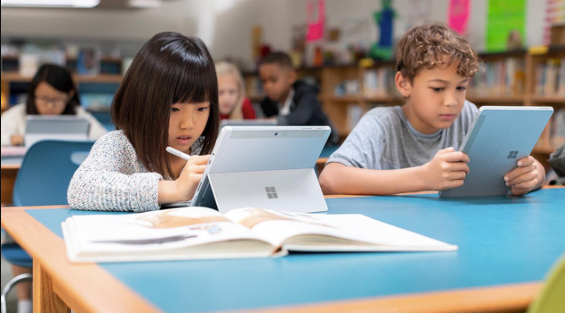
The integration of technology in education is reshaping learning experiences in profound ways. Online platforms provide unprecedented access, allowing students to learn from virtually anywhere. Meanwhile, interactive tools engage learners through dynamic, gamified methods. Artificial intelligence tailors education to individual needs, promoting personalized progress. As these innovations redefine traditional classrooms, questions arise about their long-term impact on students and educators alike. What might the future hold as technology continues to evolve within this critical sector?
The Rise of Online Learning Platforms
As the digital age continues to unfold, online learning platforms have emerged as transformative forces in education, reshaping how knowledge is disseminated and acquired.
Virtual classrooms allow learners to engage from anywhere, fostering a sense of community despite physical distance.
Coupled with flexible schedules, these platforms empower individuals to pursue education on their terms, breaking traditional barriers and redefining the learning experience.
How Interactive Tools Enhance Student Engagement
Numerous interactive tools are revolutionizing the landscape of student engagement in educational settings.
Gamified learning techniques, integrated into virtual classrooms, create immersive experiences that captivate students’ attention and foster collaboration.
These tools empower learners to take control of their education, enhancing motivation and participation.
As education evolves, interactive resources transform traditional paradigms, allowing students to thrive in dynamic, engaging environments.
See also: How Technology Is Changing Logistics
The Role of AI in Personalized Education
While traditional education often adopts a one-size-fits-all approach, the integration of artificial intelligence (AI) is reshaping how personalized learning is delivered.
AI tutors facilitate adaptive learning by analyzing individual student performance and tailoring educational content accordingly. This technology empowers learners to progress at their own pace, fostering a more engaging and effective educational experience that honors their unique needs and aspirations.
Preparing Students for a Tech-Driven Future
In an era where technology permeates every aspect of life, preparing students for a tech-driven future has become an imperative for educational institutions.
Emphasizing digital literacy and essential future skills, schools are shifting curricula to equip learners with the tools necessary for a rapidly evolving landscape.
This proactive approach fosters adaptability, critical thinking, and creativity, empowering students to thrive in an increasingly interconnected world.
Conclusion
In the grand tapestry of education, technology weaves vibrant threads of accessibility, engagement, and personalization. As online platforms bloom like digital daisies, interactive tools sprinkle motivation like confetti, while AI tailors learning experiences to fit each student’s unique contours. This transformation not only dismantles barriers but also constructs a bridge to a future where students are equipped to navigate the ever-evolving landscape of knowledge. Thus, technology illuminates the path toward a more inclusive and dynamic educational experience.