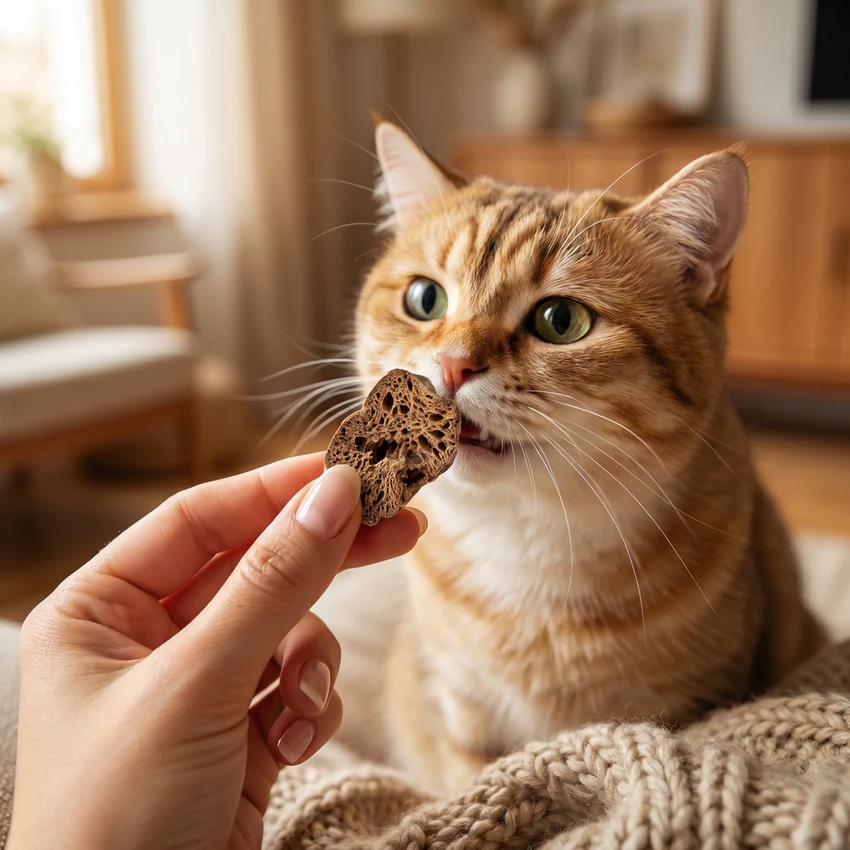
Turkey liver can be a flavorful treat for dogs when it is prepared simply and served in suitable amounts. Wild Instinct Pet offers turkey liver treats made from a single animal ingredient, giving pet parents an easy option for rewards and occasional feeding. Freeze-dried turkey liver can retain naturally occurring nutrients while providing a light texture that is easy to break into smaller pieces. Still, a liver treat should not replace a complete and balanced dog food. The ingredient list, preparation method, portion size, storage instructions, and your dog’s individual dietary needs all deserve attention before adding a new treat to the routine.
What Makes Turkey Liver Different?
Turkey liver is an organ meat, which means it has a different nutritional profile from regular muscle meat. Liver contains naturally occurring protein along with vitamins and minerals that support normal body functions. It is particularly known for nutrients such as vitamin A, B vitamins, iron, and other minerals. Because these nutrients are concentrated in liver, only a small amount may be needed as part of a dog’s treat routine. The strong natural smell can also make liver appealing to many dogs. This can be useful during training, where small pieces can be given as rewards for desired behavior.
How Freeze-Drying Affects Turkey Liver
Freeze-drying removes much of the moisture from the meat while preserving its original form and creating a lightweight texture. This makes the treat easier to store and portion than fresh liver. The turkey liver treats from Wild Instinct Pet are made from 100% turkey liver and freeze-dried. The product is designed as a simple single-ingredient treat without added fillers or grains. The texture also makes the pieces flexible for different uses. A larger piece can be offered as an occasional reward, while smaller pieces can be used during training or crumbled over regular food.
Is Freeze-Dried Turkey Liver Good for Dogs?
Freeze-dried turkey liver can be a suitable treat for many dogs when given in moderation. Its appeal comes from the combination of a strong natural flavor and the nutrients found in liver. It can work well as a reward during basic training, a small snack, or an occasional food topper. The product should still be treated as an addition to a dog’s regular diet rather than a replacement for complete dog food.
The suitability of any treat depends on the individual dog. Age, size, activity level, allergies, existing health conditions, and the dog’s regular diet can all affect what is appropriate.
Check the Ingredient List First
A simple ingredient list makes it easier to understand what your dog is eating. If turkey liver is the only listed ingredient, there is less need to sort through additional meat sources, flavoring agents, fillers, or artificial ingredients. Wild Instinct Pet uses a single-ingredient approach for its turkey liver treats. This can appeal to pet parents who prefer straightforward treat options and want to keep the ingredient list easy to read. A simple recipe does not automatically make a treat suitable for every dog. Dogs with diagnosed allergies or special dietary requirements may need a veterinarian-approved feeding plan.
The Nutrients in Turkey Liver
Liver is naturally nutrient-dense. Turkey liver can provide protein and naturally occurring vitamins and minerals as part of a dog’s overall diet. Vitamin A is one of the nutrients found in liver and supports normal vision, immune function, and other body processes. B vitamins are involved in energy metabolism and other normal functions, while minerals such as iron contribute to healthy blood function. Because liver contains concentrated amounts of certain nutrients, feeding large quantities is not a good idea. A small treat can provide flavor and variety without becoming a major part of the dog’s daily food.
Portion Size Makes a Difference
Liver treats should be given in reasonable portions. Giving too much liver regularly can provide excessive amounts of certain nutrients, particularly vitamin A. The right amount can depend on the dog’s size, age, activity level, regular food, and overall health. Treats should also be included when considering the dog’s total daily calorie intake.
For training, breaking a freeze-dried piece into several smaller portions can be useful. It allows the dog to receive more rewards during a session without giving a large amount at once. Pet parents should follow the feeding guidance provided with the product and speak with a veterinarian if their dog has a medical condition or follows a restricted diet.
Using Turkey Liver During Training
A strong-smelling treat can help keep a dog’s attention during training. Turkey liver can be broken into small pieces and offered immediately after the desired behavior. It can be useful for practicing basic commands, recall, leash manners, crate training, or calm behavior. The size of the reward matters more than giving a large piece each time. Small portions also make it easier to control the amount of treat used during a longer training session.
Texture Can Matter for Older Dogs and Puppies
Freeze-dried treats are often crunchy and lightweight. Some dogs enjoy this texture, while others may need smaller or softer pieces. For puppies and senior dogs, the treat can be broken into smaller pieces. Depending on the product instructions, adding a little warm water can also soften the texture.
Wild Instinct Pet provides turkey liver treats that can be broken into smaller pieces for feeding and training. This gives pet parents some flexibility when adjusting the treat to their dog’s size and chewing ability. Dogs should always be supervised while eating treats, especially when trying a new product or texture.
Storage After Opening
Freeze-dried food contains little moisture, but correct storage still matters. Keeping the package sealed helps protect the texture and freshness of the treats. Store the product according to the manufacturer’s instructions and keep it away from heat and moisture. Taking out only the amount needed for a training session can also reduce the time the package remains open. Always check the package for specific storage instructions and use the product within the recommended period after opening.
A Treat, Not a Replacement for Regular Food
Turkey liver can provide useful nutrients, but it does not provide everything a dog needs from a complete diet. A balanced dog food should remain the main source of daily nutrition. Treats can add variety and make training more rewarding, but they should remain a limited part of the overall feeding routine. Dogs with allergies, digestive problems, or other health concerns may need a more carefully controlled diet. In those cases, a veterinarian can help determine which treats are appropriate.
What to Look for Before Buying
A good turkey liver treat should have a clear ingredient list and straightforward feeding instructions. The preparation method, texture, storage requirements, and nutritional information can also help you decide if the product fits your dog’s routine.
A simple checklist can include:
- A clearly identified turkey liver ingredient
- Minimal unnecessary additives
- Clear serving guidance
- Suitable texture for your dog
- Proper storage instructions
Reading these details before buying can help prevent surprises after the package is opened.
Making Turkey Liver Part of a Dog’s Routine
Freeze-dried turkey liver can be a convenient option for pet parents who want a simple, flavorful treat made from an animal ingredient. Its concentrated nature means that small portions can be enough for training, rewards, or occasional use. The best approach is to consider the whole feeding routine rather than treating one ingredient as a complete source of nutrition. A clear ingredient list, sensible portions, proper storage, and attention to your dog’s individual needs can help make turkey liver a practical addition to an otherwise balanced diet.
